
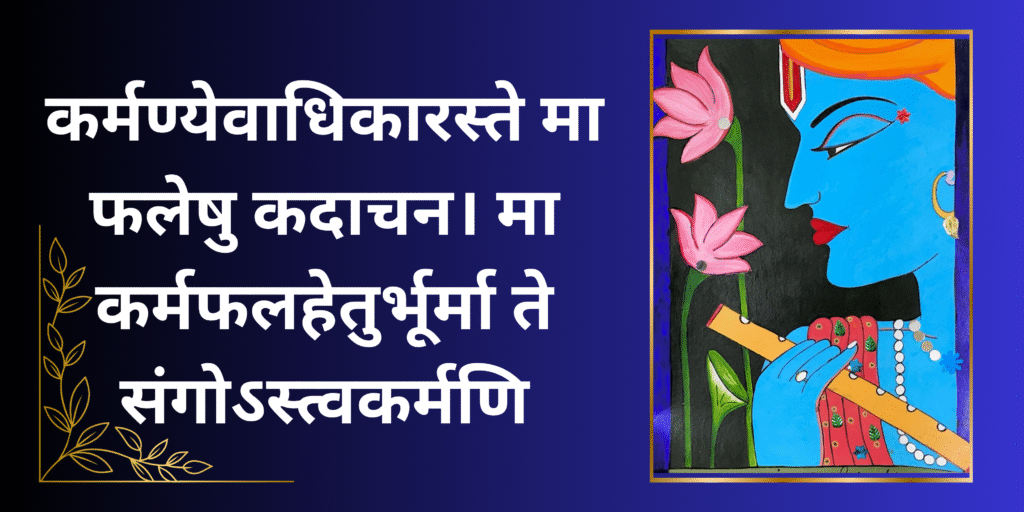
Is your smartphone controlling your mind? In today’s hyper-connected world, constant notifications, endless scrolling, and digital overload are silently draining our focus and inner peace. Many people feel mentally restless, anxious, and disconnected without realizing how deeply their smartphone habits affect the mind and emotions.
Is my smartphone controlling my mind?
If you feel restless without your phone, struggle to focus, or experience anxiety after prolonged screen time, you’re not alone. Digital overwhelm has become one of the leading causes of mental fatigue, burnout, and inner disconnection. Surprisingly, the solution may not lie in another productivity app or digital detox trend—but in Vedanta, an ancient Indian philosophy rooted in self-awareness and inner freedom.
How Is Your Smartphone Controlling Your Mind?
Smartphones are designed to capture and hold attention. Notifications, likes, messages, and infinite scrolling create a loop of stimulation that keeps the mind externally focused. Over time, this leads to:
- Reduced attention span
- Heightened anxiety and comparison
- Mental restlessness and sleep disturbances
- A constant sense of urgency
- Disconnection from inner silence
From a wellness perspective, the problem isn’t the smartphone itself—but our unconscious attachment to it. Vedanta offers a powerful lens to understand this attachment and gently loosen its grip.
Using Vedanta When Your Smartphone Is Controlling Your Mind

Vedanta teaches that peace is our natural state, but it becomes obscured when the mind is constantly pulled outward by sensory distractions. According to Vedantic wisdom, the mind becomes restless when it seeks fulfillment from external objects rather than inner awareness.
In this context, the smartphone is simply the latest object of attachment—much like wealth, status, or recognition in earlier eras.
Vedanta reminds us:
What you constantly attend to, you slowly become identified with.
When attention is fragmented across screens, notifications, and digital noise, the mind loses its center.
How Smartphones Capture the Mind (Vedantic View)
From a Vedantic perspective, the smartphone engages three core mental tendencies:
1. Restless Desire (Rajas)
Endless scrolling feeds the desire for novelty—new information, new validation, new stimulation. This keeps the mind in a constant state of agitation.
2. Mental Dullness (Tamas)
Overconsumption leads to mental fatigue, reduced clarity, and emotional numbness—where we scroll not out of joy, but habit.
3. False Identification
We begin to identify with online personas, comparisons, and digital validation, distancing ourselves from our true inner self.
Vedanta doesn’t ask us to reject technology—but to use it consciously, without losing ourselves in it.
Is Your Smartphone Controlling Your Mind? Key Signs

You may be experiencing unhealthy digital attachment if:
- You instinctively reach for your phone during silence or discomfort
- You find it difficult to focus on one task without checking notifications
- Your mood is influenced by online interactions
- You feel mentally scattered or overstimulated
- Quiet moments feel uncomfortable
Recognizing this is not a failure—it’s the first step toward awareness, which Vedanta considers the gateway to freedom.
Using Vedanta When Your Smartphone Is Controlling Your Mind
Shift from Reaction to Awareness
Vedanta emphasizes sakshi bhava—the attitude of the witness. Instead of reacting automatically to notifications, begin observing the impulse.
Ask:
- Why do I feel the need to check my phone right now?
- What emotion am I avoiding?
Practice Non-Attachment (Vairagya)
Non-attachment doesn’t mean abandoning your smartphone. It means not letting it dictate your inner state.
Use your phone as a tool—not a source of identity, validation, or emotional regulation.
A helpful reminder: I use the device. I am not used by it.
Create Sacred Screen-Free Spaces
Vedanta values inner stillness. Designate moments in your day where the mind can rest:
- No phone during meals
- A screen-free morning routine
- Silence before sleep
These spaces allow awareness to return inward, restoring mental balance.
Replace Scrolling with Reflection
Instead of reaching for your phone during idle moments, try:
- Conscious breathing
- Silent observation
- A short mantra or affirmation
- Journaling a single thought
Even a few minutes of inward attention can calm the nervous system.
Anchor Yourself in the Self, Not the Screen
Vedanta teaches that lasting peace comes from recognizing the Self beyond thoughts. When attention repeatedly returns inward, the compulsion to constantly consume external stimuli naturally reduces.
This inner anchoring brings:
- Clarity
- Emotional stability
- Improved focus
- A sense of completeness
Digital Balance, Not Digital Rejection
Vedanta does not promote escaping the world—it teaches engaged living with inner freedom. You can use your smartphone, work online, and stay connected—without sacrificing peace.
The goal is not control, but conscious relationship.
A Gentle Daily Practice (Vedantic Digital Reset)
At the end of each day, reflect quietly:
- How much of my attention was external today?
- When did I feel most peaceful?
- Did my phone serve me—or distract me?
This daily awareness slowly reclaims mastery over the mind.

Conclusion: Reclaiming Inner Peace in a Digital Age
If your smartphone feels like it’s controlling your mind, it’s not a personal weakness—it’s a sign of unconscious conditioning. Vedanta offers a compassionate, timeless solution: return attention to awareness, loosen attachment, and rediscover inner stillness.
True freedom doesn’t come from switching off devices—it comes from switching on awareness.
At Niranjanaworld, we believe wellness is not about rejecting modern life, but about living it rooted in inner peace, balance, and self-awareness.
The screen may demand your attention—but you decide where your mind resides.